
The New Multimodal SEO Approach That Builds Real Brand Authority
In February 2026, people don’t just “search” by typing. They talk into their phone while driving. They watch a quick video to see if something feels trustworthy. They screenshot a product and ask what it is. They point a camera at something in their kitchen and ask for help.
That’s why multimodal search matters so much right now. It’s not a fancy trend. It’s simply the way people already live.
If you’re a Christian woman building a business, this can feel like pressure. Like you’re supposed to be everywhere at once. But you don’t need to be everywhere. You need to be clear and consistent where your people already are, and make your website the steady place they can come home to.
In other words, SEO for websites can’t be only about blog posts anymore. It’s about teaching the same message in a few formats, with a calm, recognizable voice.
By the end of this post, you’ll have a simple framework you can follow this week, without burning out.
What “multimodal” means in today’s search, and why it changes your strategy
Multimodal search means search engines and AI tools understand more than your written words. They read text, but they also interpret images, video, audio, page layout, and context together.
That matters because results don’t always look like ten blue links anymore. More often, people see summaries, quick answers, recommended clips, image carousels, and shopping suggestions. Your brand authority gets measured by how well you teach across formats, not how many posts you publish.
A small shift in mindset helps here: you’re not “posting content.” You’re building a pattern of helpfulness that can be recognized.
For a broad view of where search is heading this year, Yoast’s 2026 SEO predictions are a helpful snapshot.
Search is happening everywhere, not just on Google
Your future clients are searching on YouTube, TikTok, Pinterest, Reddit, podcast apps, and AI chat tools. Then, after they feel a spark of trust, they still visit a website to verify and buy.
Think of it like a home with a front porch. Your website is the home base. It holds your offers, your story, your proof, and your next steps. Other platforms are the porch. They’re where people first pause, listen, and decide if they want to come inside.
So “search everything” doesn’t mean you must spread yourself thin. It means you choose a few places where your audience already gathers, and you make it easy for them to find their way back to you.
If you want a clearer explanation of how multimodal inputs (text, voice, images, video) are shaping results, NoGood’s guide to multimodal search optimization breaks it down in plain language.
Authority is now a pattern that AI can recognize
Authority used to feel like a popularity contest. More followers, more backlinks, more posts. Some of that still helps, but the deeper signal now is consistency.
AI systems connect topics, people, and brands through repeated signals over time. They notice the niche you stick with, the words you use, the kind of examples you give, and the outcomes you help people get.
That’s good news for you.
A coach who keeps teaching “simple weekly planning for overwhelmed moms” builds a clearer authority signal than a coach who posts about ten unrelated topics. A course creator who repeats her core framework (in a blog post, a short video, and a few visuals) becomes easier to recommend. An Etsy style shop that describes products consistently, shows real photos, and answers common questions becomes easier to trust. A consultant who shares case studies in the same format each month starts to feel steady.
Volume is loud. Consistency is recognizable. In a world of fast content, steady teaching stands out.
Build a “content stack” that teaches the same idea in multiple formats
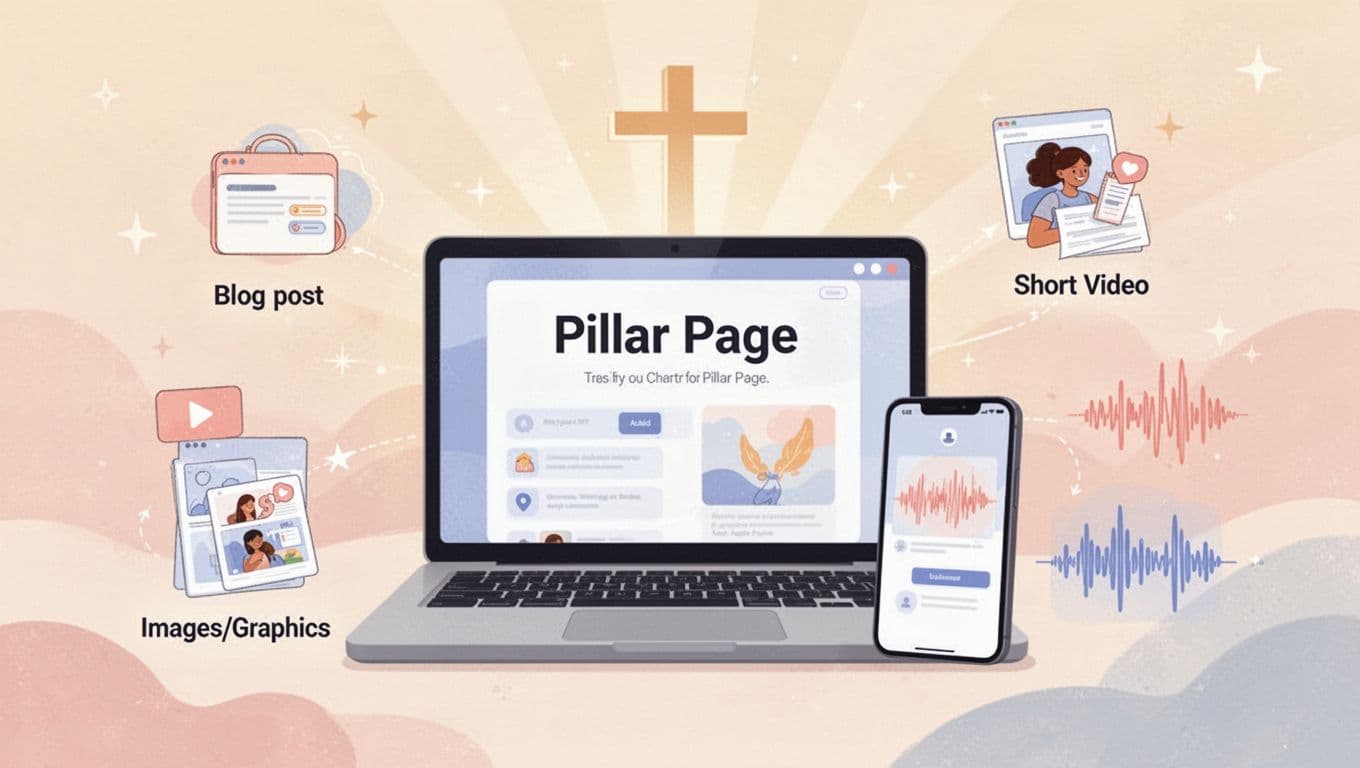 A simple visual of one idea expressed as a pillar page, video, images, and audio, created with AI.
A multimodal approach doesn’t require more ideas. It requires more ways to express the same idea.
This is the heart of a content stack. You start with one core topic your audience cares about. Then you translate it into a few formats so more people can understand it, remember it, and share it.
Some people learn by reading. Others need to hear your voice. Many decide based on what they can see.
When you repeat your message across formats, you also strengthen brand authority because your teaching becomes easier to cite, clip, and summarize.
If you want a deeper look at how brands are adapting content for AI style results, Single Grain’s overview of multimodal SEO offers practical examples.
Start with one pillar page that makes your message crystal clear
A pillar page is one strong page that answers the “big question” your people keep asking. It’s not meant to be clever. It’s meant to be clear.
Picture it like a well-lit kitchen table. Someone sits down with their fear, their hope, and their question. Your pillar page says, “You’re in the right place. Here’s the path.”
To build trust, make sure the page includes:
- Who it’s for (say it plainly, without trying to please everyone)
- What result they can expect (keep promises honest and realistic)
- Your experience (a short story beats a long resume)
- Gentle, faith-aligned encouragement (without preaching at people)
- Clear next steps (email list, a free guide, your offer, a consult)
Clarity is a form of care. It reduces confusion, and confusion is the quickest way to lose a ready buyer.
Add supportive media that helps both people and machines understand
Supportive media makes your pillar page stronger, and it helps your content show up in image and video results, and in AI-style summaries.
Here’s a simple checklist that stays doable:
- Original images or simple graphics that match the topic (real photos beat generic stock)
- A short video (a quick demo or talking head is enough)
- Captions on the video (many people watch with sound off)
- Descriptive file names for images (use real words, not “IMG_4920”)
- Alt text that describes what the image shows (helpful for accessibility too)
- A short transcript for video or audio (even a cleaned-up auto transcript helps)
If you want a practical perspective on why visuals matter more now, Seoteric’s breakdown of image SEO for multimodal AI explains how machines interpret images alongside text.
On-page signals that make your brand easy to trust and easy to cite
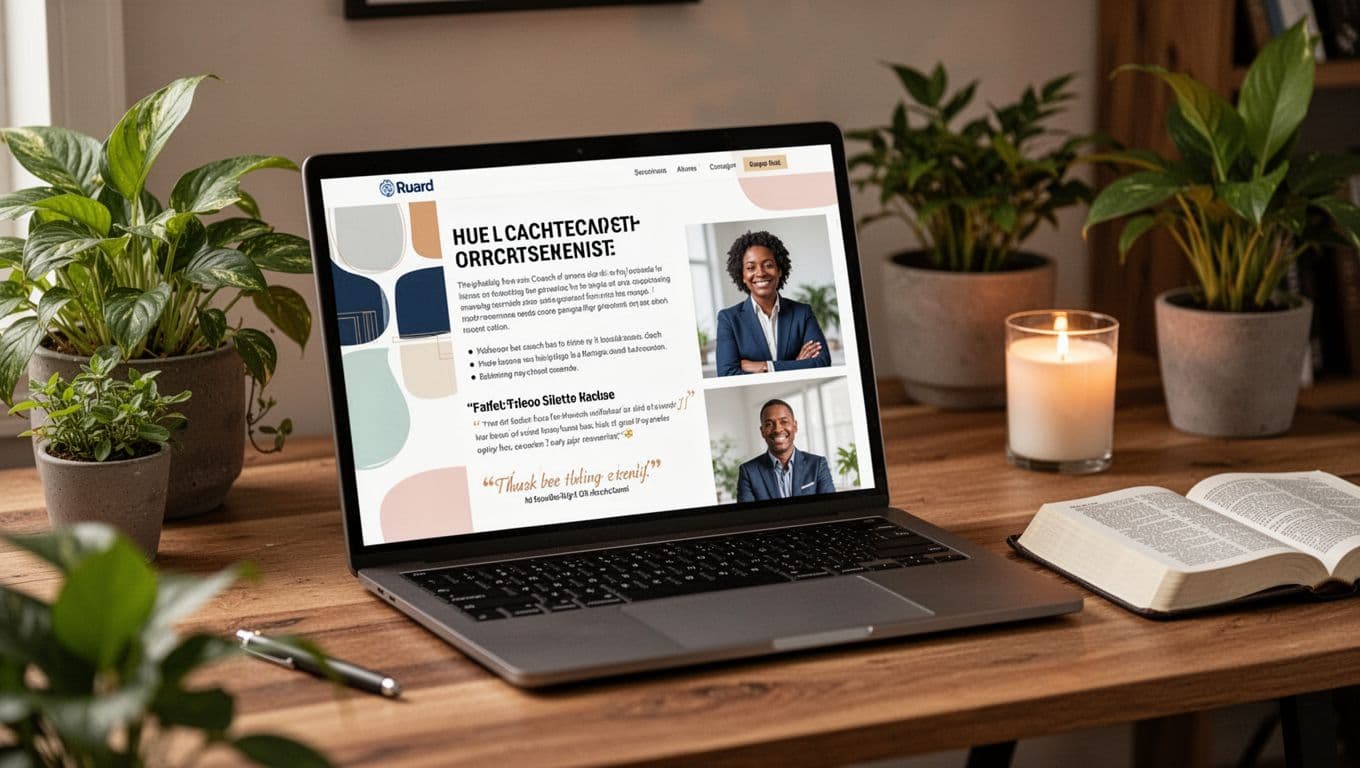 A well-structured page that feels easy to read and easy to trust, created with AI.
Multimodal search still depends on something timeless: make it easy.
Easy to read. Easy to scan. Easy to verify. Easy to understand who you are and what you stand for.
When someone lands on your page from an AI summary, a Pinterest pin, or a short video, they decide quickly. Not because they’re shallow, but because they’re tired. They’re sorting through noise.
Your job is to feel like a clear voice in a crowded room.
Write and format for skimmers, voice, and AI summaries
A page can be deep and still be simple. The trick is structure.
Start with a direct answer near the top. Use headings that sound like the questions your clients actually ask. Keep paragraphs short. Define terms like you would for a friend sitting across from you.
If it fits your style, add a brief “Quick takeaway” section near the top. It’s not for lazy readers. It’s for busy ones.
Also, write like people speak. Because voice search and conversational AI favor natural phrasing, a subhead like “How do I choose a niche if I feel scattered?” can work better than something stiff and formal.
One warning, though:
If your page hides the main point behind long storytelling, AI summaries may miss what matters most. Put the answer first, then share the story.
Prove you are real: experience, proof, and clear identity markers
Authority grows when your site feels like it’s attached to a real person with real outcomes.
That doesn’t mean you need a polished brand photo shoot. It means you show honest signals of identity and care.
Consider adding:
- A short author bio (warm, specific, and human)
- A consistent “who I help” statement across key pages
- A personal note about why you care about this work
- Testimonials or client wins (with permission, and without inflated claims)
- Simple case studies that show the before and after
Faith-based brands have a special opportunity here. You can share values clearly, and you can do it with humility. Let your integrity be part of your on-page strategy.
Off-site visibility that supports authority without burning you out
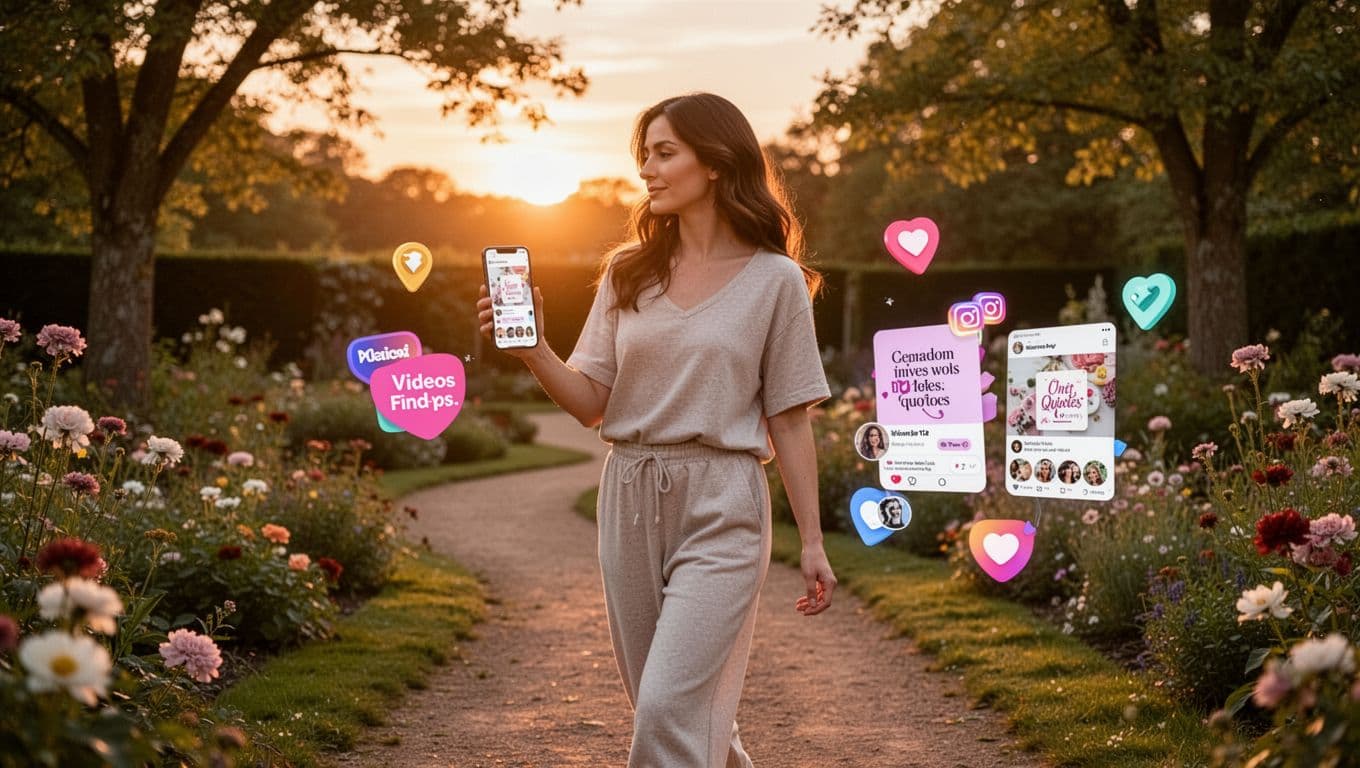 A calm picture of showing up in a few places with one steady message, created with AI.
Off-site visibility matters because it supports recognition. Mentions, engagement, and repeat appearances across a couple channels help people trust that you’re established.
Still, “more platforms” is not the goal. Sustainable consistency is the goal.
Pick two or three channels that match your season of life, your energy, and your buyer’s habits. Then make sure every piece points back to one clear next step on your website.
If you’re curious how the industry is thinking about AI, trust, and search right now, Lily Ray’s discussion on AI and SEO in 2026 is a grounded perspective.
Choose your channels based on your gifts and your buyer’s habits
A simple way to choose is to ask: “Where do I show up with the most peace?”
Use this as a gentle guide:
| If you’re strongest at… | A good channel fit | Why it works |
|---|---|---|
| Teaching face-to-camera | YouTube or short-form video | People borrow confidence from your presence |
| Writing clear explanations | Pinterest plus email | Your words travel, then deepen trust in private |
| Real conversation | Podcasts or community forums | Trust grows through honest back-and-forth |
Your channel choice isn’t a moral test. It’s just a stewardship decision.
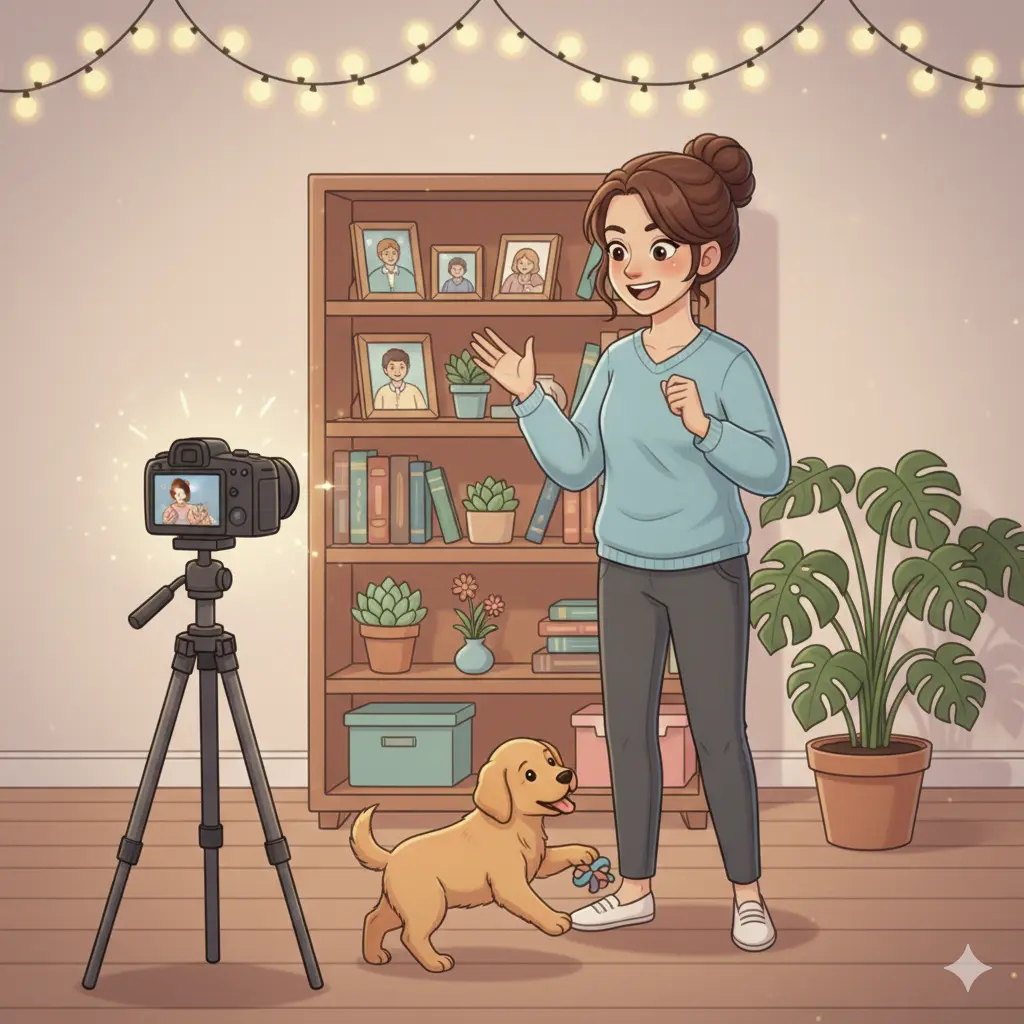
Repurpose with purpose: one message, many touchpoints, one clear next step
Repurposing works best when it’s not random. Everything should carry the same promise, using similar words, and pointing to the same next step.
Here’s what a simple week can look like when you start with one pillar page:
| Asset you publish | Where it goes | Point it to |
|---|---|---|
| One blog post (pillar or supporting post) | Your website | Email opt-in or core offer |
| One 60-second video | Shorts, Reels, TikTok | The pillar page |
| Two quote graphics | Pinterest or Instagram | The pillar page |
| One email | Your list | The blog post and next step |
Notice what’s missing: constant reinvention. Your future client needs repetition, not novelty.
Keep titles aligned across platforms. Use the same “big idea” phrasing. Over time, people start to recognize you faster. That recognition is the beginning of authority.
A calm 7-day plan to start building multimodal authority
Multimodal authority isn’t built by doing everything. It’s built by teaching the same clear message in more than one way, and keeping your website as the steady home base. Over time, that repeated clarity becomes a pattern people trust, and a pattern AI can understand.
Here’s a simple 7-day starter plan you can do without losing your peace:
- Pick one topic your people ask about all the time.
- Build one strong page that answers it clearly.
- Add one supportive media piece (a short video or a set of images).
- Publish one off-site post that points back to that page.
- Track one metric for the week (clicks to the page or email sign-ups).
Above all, treat this like stewardship. Show up consistently, serve the right people, and let authority grow the way gardens grow, slowly, faithfully, and with care.